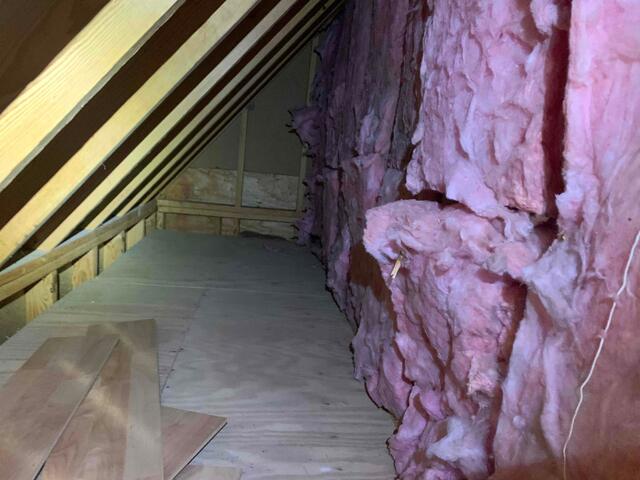
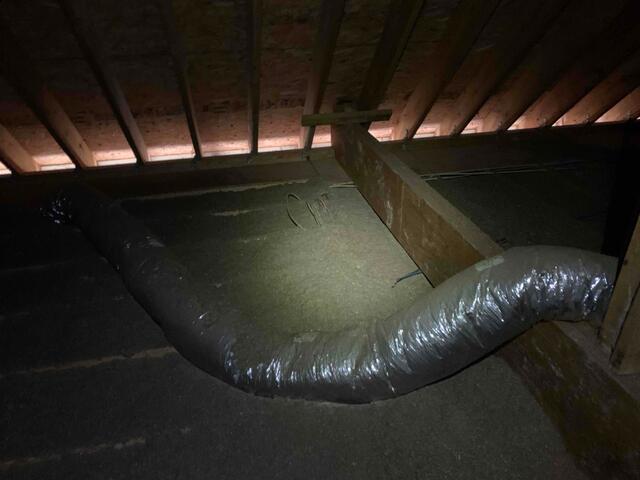
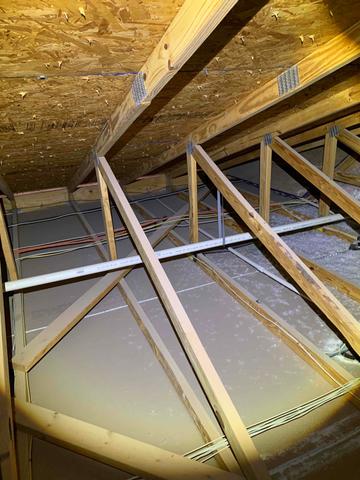
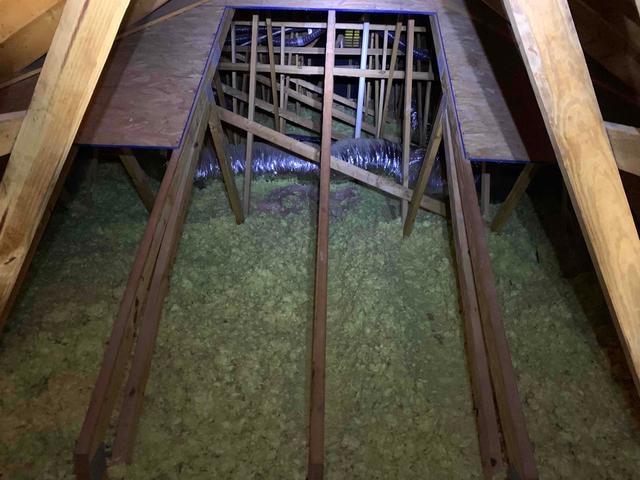
Upgrading attic insulation is usually a top priority for improving comfort & energy efficiency.

Proudly Serving Greater Richmond & Nearby
Insulation Services
Full-Service Insulation Contractor Serving Henrico, Williamsburg, Richmond & Nearby
Improve the comfort of your home with our insulation services in Greater Richmond


You don't need a degree in thermodynamics to know that heat always spreads out to fill in where it is depleted. In the wintertime, heat moves naturally from inside to outside.
During hot summer months, heat "wants" to go the opposite way, moving inside the house to make spaces uncomfortably hot.
Home insulation in Richmond, Williamsburg, Henrico, and throughout Greater Richmond slows the flow of heat to save you and your family some money.
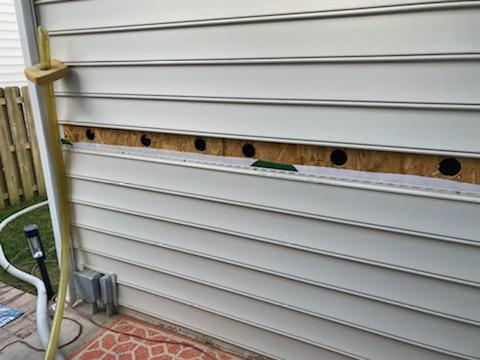
As a full-service insulation contractor, The Drying Co. provides expert home insulation services to improve areas such as walls, crawl spaces, basements, and garages in Greater Richmond.
What's included in our home insulation services:
- Complete inspection and assessment of existing home insulation
- Specific insulation upgrades to improve home energy efficiency
- Free Estimates for all recommended work
- Installation of all new insulation in areas selected by the homeowner
Insulation Services


The floor above a garage often needs extra insulation to make the living space more comfortable.

Insulating & sealing the crawl space will improve home comfort and indoor air quality.

Improve comfort, energy efficiency & air quality throughout the home with this important insulation upgrade.

Upgrade under-performing wall insulation to eliminate cold winter drafts and wasted energy.

Improve the performance of your HVAC system with properly sealed and insulated ducts.

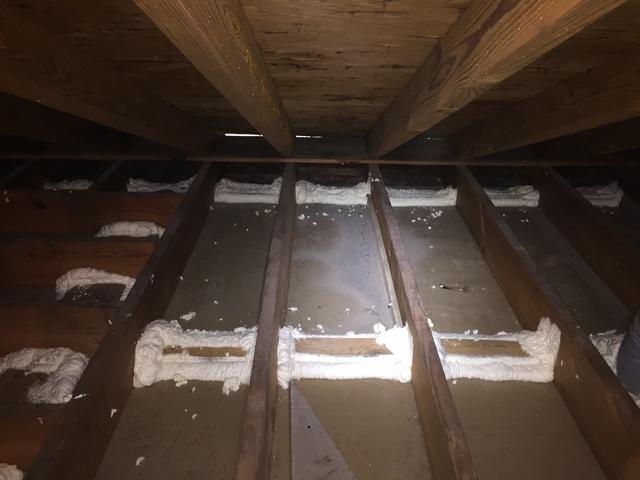
Sealing leaks in a home’s building envelope can eliminate cold drafts and help insulation work more effectively.

We provide free evaluations and estimates for all of our home insulation services!
Customer Reviews

By P O. from Dunnsville, VA
By Brandy P. from Chesapeake, VA
By Aaron G. from Bumpass, VA
By Tim H. from Stafford, VA
By Caroel S. from Powhatan, VA
By Katherine T. from Amelia Court House, VA
By Dave B. from Ashland, VA
By Tyson J. from Glen Allen, VA
By Richard H. from Glen Allen, VA
Photo Gallery
Contact us for efficient insulation in your home
The Drying Co. proudly services the areas of Midlothian, Glen Allen, Mechanicsville, Chester and nearby. If you are interested in upgrading your existing insulation or would like new insulation installed, call us today at 1-757-566-8622 for a free estimate!

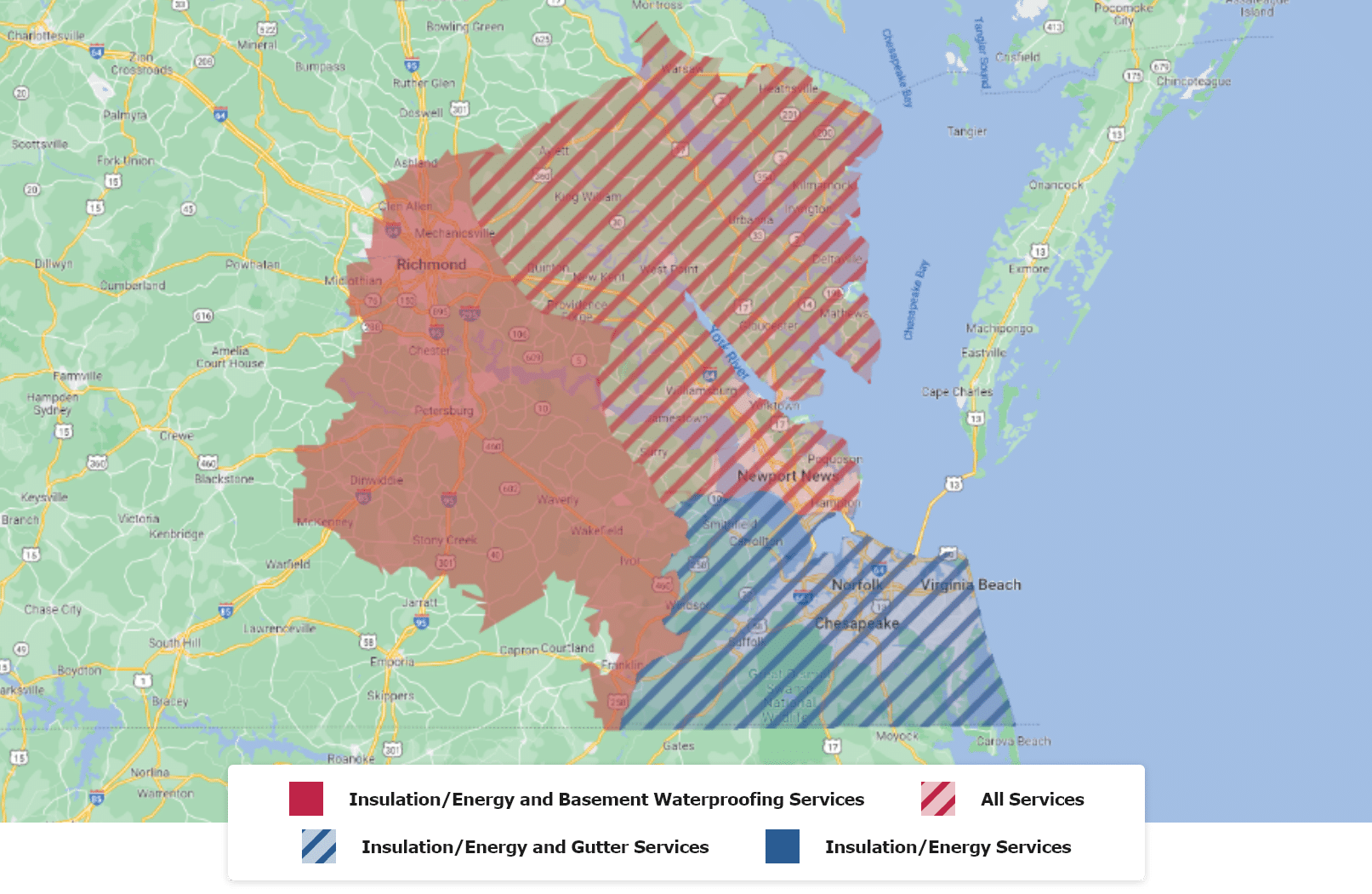
our service area
We serve the following areas
- Ammon
- Ashland
- Aylett
- Bruington
- Callao
- Carson
- Center Cross
- Charles City
- Chester
- Chesterfield
- Church Road
- Colonial Heights
- Dewitt
- Dinwiddie
- Disputanta
- Dunnsville
- Farnham
- Ford
- Fort Gregg Adams
- Glen Allen
- Hanover
- Henrico
- Hopewell
- King And Queen Court House
- King William
- Laneview
- Lanexa
- Little Plymouth
- Manquin
- Mc Kenney
- Mechanicsville
- Midlothian
- New Kent
- Newtown
- Petersburg
- Prince George
- Providence Forge
- Quinton
- Richmond
- Saint Stephens Church
- Sandston
- Stevensville
- Stony Creek
- Sutherland
- Tappahannock
- Virginia State University
- Walkerton
- Warsaw
- West Point
- Wilsons