Why Are My Gutters Overflowing?
If you’ve noticed your gutters overflowing during heavy rain, you’re not alone. Many homeowners in Williamsburg and Virginia Beach deal with overflowing gutters, especially as the seasons change.
Keeping your gutters clear and properly managing the water around your home can help protect your home’s foundation and avoid more serious structural damage over time.
Causes of Overflowing Gutters
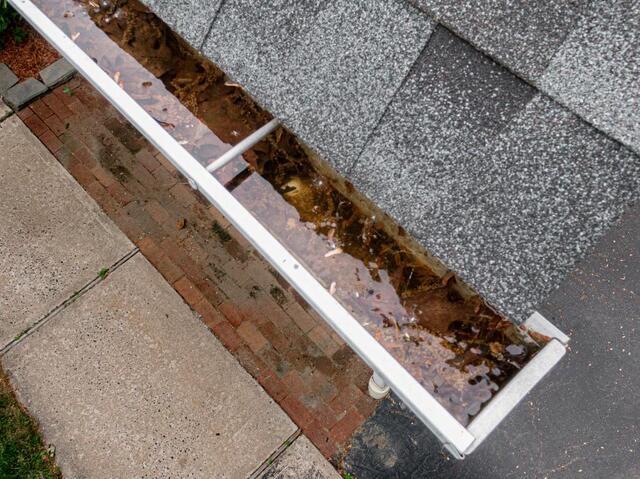
- Clogs
Pine needles, leaves, and other debris catch on seams, overfill gutters, and clog downspouts, preventing proper water drainage.
- Insufficient Flow Capacity
Gutters are not large enough to handle the amount of water runoff from the roof.
- Improper Pitch / Slope
If gutters are not properly sloped toward the downspout, water can pool if the slope is too flat or overwhelm the downspouts if it is too steep.
- Improperly Placed Downspouts
Downspouts placed in the wrong location, or not having enough downspouts, can cause pooling in sections of the gutters, leading to overflowing.
- Ice Dams
The refreezing of melting snow blocks gutters and prevents proper drainage of water, resulting in overflowing.
- Improper Installation
Gutters installed without proper support, or that are too high or low, may not manage the water properly, resulting in overflowing.
Common Symptoms of Overflowing Gutters
- Water spilling over gutters
- Water pooling around your home’s foundation
- Flooding of your basement or crawl space
- Erosion of landscaping
- Water staining or discoloration on your home’s siding
What Happens If I Don’t Fix My Gutters?
- Rotted fascia
- Foundation damage
- Mold or mildew growth under your home
- Damage to shingles (in some cases, it can affect your roof’s warranty)
- Deterioration of siding
- Damage to landscaping
How To Fix Overflowing Gutters
The right solution can be different for every home. Some of the biggest considerations are how many trees there are around your home, the surface area and pitch of your home’s roof, and what kind of maintenance you do, or do not want to do.
Solutions include:
- Seamless Gutters
Sectioned gutters can leak at the seams and allow debris to catch where sections connect, which can lead to clogs. Seamless gutters prevent these leaks and blockages.
- 5-inch or 6-inch Gutter Size
For many homes, a 5-inch gutter is sufficient, but 6-inch gutters can handle 20% more water, making them a better option for larger roofs or areas with heavy rainfall.
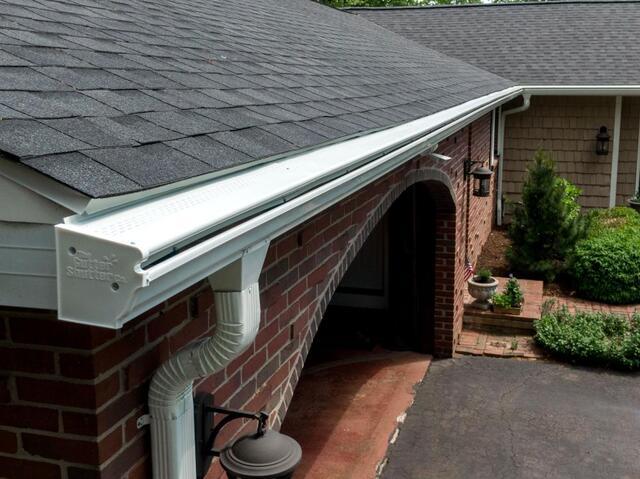
- Hooded Gutter Systems
There are several different systems on the market. Consider what you’ll need to do if a section or hood is damaged during a storm.
- Gutter Covers
There are dozens of different gutter guard systems you can add to your gutters, from mesh to grids and grates.
When Should You Have Your Gutters Inspected?
If you are noticing damage to your home’s foundation, flooding in your basement or crawl space, damage to your home’s siding or landscaping, it may be time to have your home inspected.
Schedule A Free Inspection
The Drying Company offers free, no-obligation inspections for homeowners dealing with overflowing, damaged, or absent gutters. Our team can evaluate your home’s water management system and recommend solutions designed specifically for your home.


